docinflow
For finance and trade teams at Indian manufacturers and exporters

Every document checked against the one it has to agree with.

The order against the invoice. The goods receipt against both. The letter of credit against the proforma behind it. What does not agree becomes a task with a name on it.

Running in production at Arvind Mills — contracts and letter-of-credit examination.

ORDERPO-1174RECEIPTGRN-0912INVOICEINV-2481FIELDORDERRECEIPTINVOICERESULTRate per kg458.00462.00₹4.00 over the contracted rateQuantity1,200 kg1,200 kg1,200 kgPayment terms45 days45 daysTax18%18%1 of 4 fields disagrees— held for review, with the reason on the recordAssigned · procurement

Software you already own reads documents. This one checks them.

Reading a document is the easy half.

Plenty of software will pull fields off an invoice. That is where most of it stops, and where the work actually starts — because a field is only useful once it has been compared with the order, the receipt and the rate you agreed. DocInflow is built around the comparison, and every check ends in a verdict rather than a confidence score.

Arithmetic in code. Judgement in AI.

Money, dates, quantities and tolerances are computed, not inferred, so the same documents and the same settings give the same answer on the hundredth run as on the first. The model is called only where an answer genuinely needs reading — “Ltd” against “Limited”, a goods description against a summary — and anything it cannot conclude is raised for a person instead of quietly scored.

One document layer, not five integrations.

Purchasing, sales, contracts, trade documentation and the ledger read the same documents and run the same approval model. That is why a rate agreed in a contract can be checked on an invoice and traced to the entry in the books — not because five systems were wired together afterwards, but because there was only ever one.

Invoices, receivables, contracts, letters of credit, GST

What do you need to fix?

Each one links through to what that part checks today — and what it does not do yet.

P2P

We pay invoices nobody has checked.

A rate rises a few rupees a unit, a delivery comes up short, and the invoice is paid anyway.

Order, receipt and invoice matched line by line against the tolerance you set for each field, then a multi-step approval by value band where approve, reject and send-back each record a reason.

See invoice matching
O2C

We cannot prove what we delivered.

A customer queries a line, and the delivery note, their goods receipt and your invoice sit in three places.

Customer order, proof of delivery, their goods receipt and your sales invoice reconciled into one outcome, with credit limits and credit holds applied when an invoice is approved.

See delivery and credit checks
CLM

We cannot find what we agreed to.

The agreement is a scan in a folder, so the rate card and the payment terms live in somebody's memory.

Scanned and typed agreements read into parties, dates, values and clauses — ask a question in plain English and get the clause back, cited, with contracted rates compared against what vendors actually invoice.

See contract and rate checks
EXIM

We find the errors after the bank does.

A beneficiary name, a port or a latest-shipment date in the credit does not agree with the proforma invoice behind it, and nobody catches it in time.

Your letter of credit examined against the draft credit and the proforma invoice behind it. Over two hundred configurable checks span nineteen document types and twenty-three pairings between them, and every finding names the field and the consequence.

See letter of credit checks
R2R

We rebuild the books and returns by hand.

The trial balance is stitched together in a spreadsheet, and the GST return is rebuilt from invoices by hand every month.

Trial balance, profit and loss and balance sheet derived live from the ledger, with debits and credits forced to agree before anything posts — plus GSTR-1, GSTR-3B and HSN summaries carrying invoice-level detail.

See ledger and GST returns
The product

What it looks like in use.

Interface illustrations, not screenshots. Real captures, with their provenance, are on each platform page.

Every document type in one register

Purchase orders, invoices, bills, goods receipts, contracts and credit notes in one place, filtered by type and by status, with approve and void on the row itself.

DocumentsEvery type in one register, filtered by type and by statePO-1174Purchase orderMeridian Textiles14,32,000ApprovedGRN-0912Goods receiptMeridian TextilesApprovedINV-2481InvoiceMeridian Textiles14,36,800HeldINV-2477InvoiceHarbour Dyeing Co3,98,160MatchedCTR-0044ContractMeridian TextilesActiveCN-0231Credit noteHarbour Dyeing Co22,400Draft

A letter of credit examined field by field

Each row names the field, compares the credit against the proforma invoice, and carries the strictness the field is tested at — a beneficiary name is tested character-perfect, a goods description as a consistent summary.

Letter of creditExamined against the proforma invoice behind it, field by fieldFIELDPROFORMACREDITRESULTBeneficiary nameMeridian Textiles LtdMeridian Textiles LtdExactCredit amountUSD 184,500USD 184,500ExactLatest shipment18 Sep11 Sep7 days earlierPort of dischargeHamburgAny European portBroaderPartial shipmentAllowedNot allowedConflicts

A trial balance straight off the ledger

Computed from posted double-entry transactions, with debits equal to credits enforced before anything posts, so the statement ties out by construction.

Trial balanceComputed from posted transactions, not assembled at month endACCOUNTDEBITCREDITCash and bank38,41,220Accounts receivable1,24,90,180Inventory61,00,000Accounts payable84,16,400Output tax19,74,000Revenue1,20,41,000Debits equal credits2,24,31,4002,24,31,400
From the contract to the ledger
CLM

The agreement becomes fields you can search and check against.

Scanned and typed agreements are read into parties, dates, values, terms and clauses. Ask a question in plain English and get the clause back, cited — and contracted rates are compared against what vendors actually invoice.

Contracts

All five read the same documents, run the same approval model, and write to a history that is appended rather than overwritten — naming who created, approved, edited or voided each record, with the values before and after.

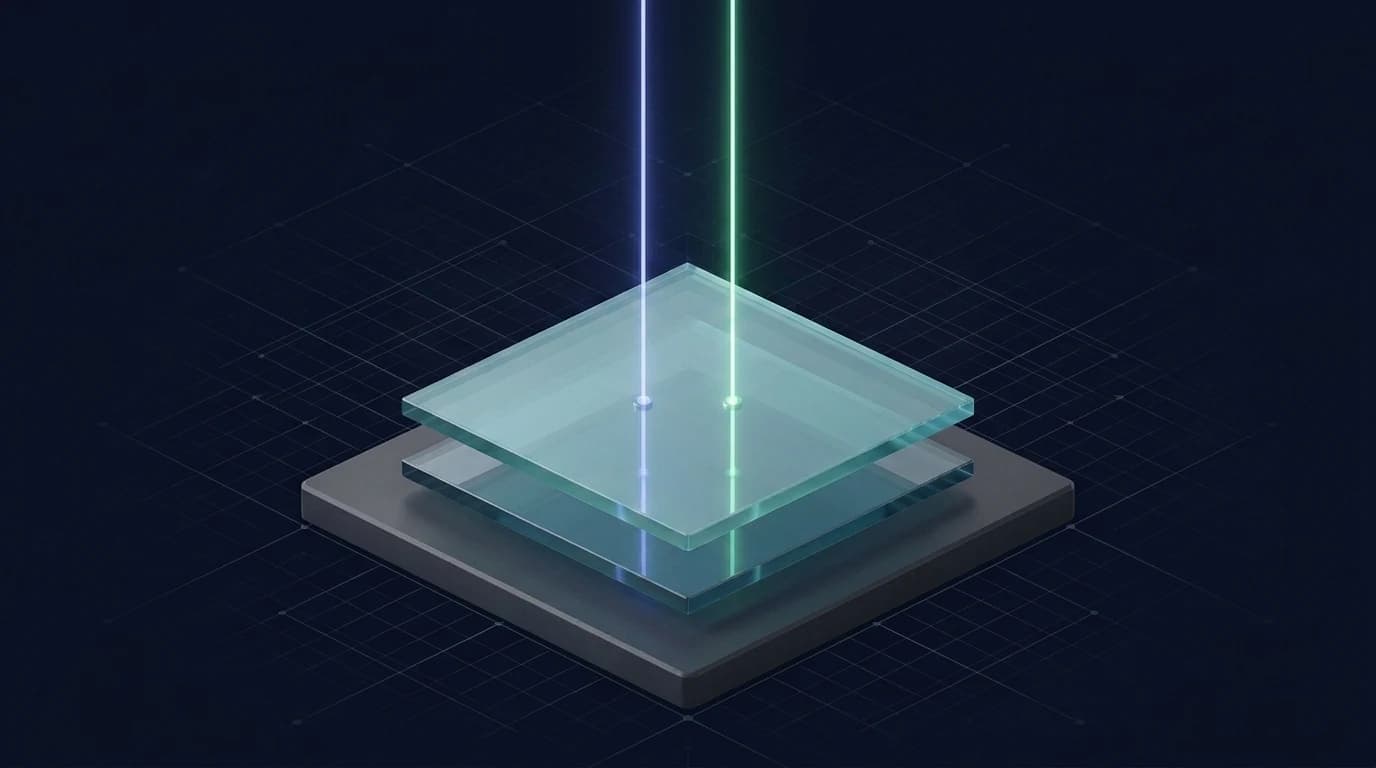
1 of 5 layers of the platform
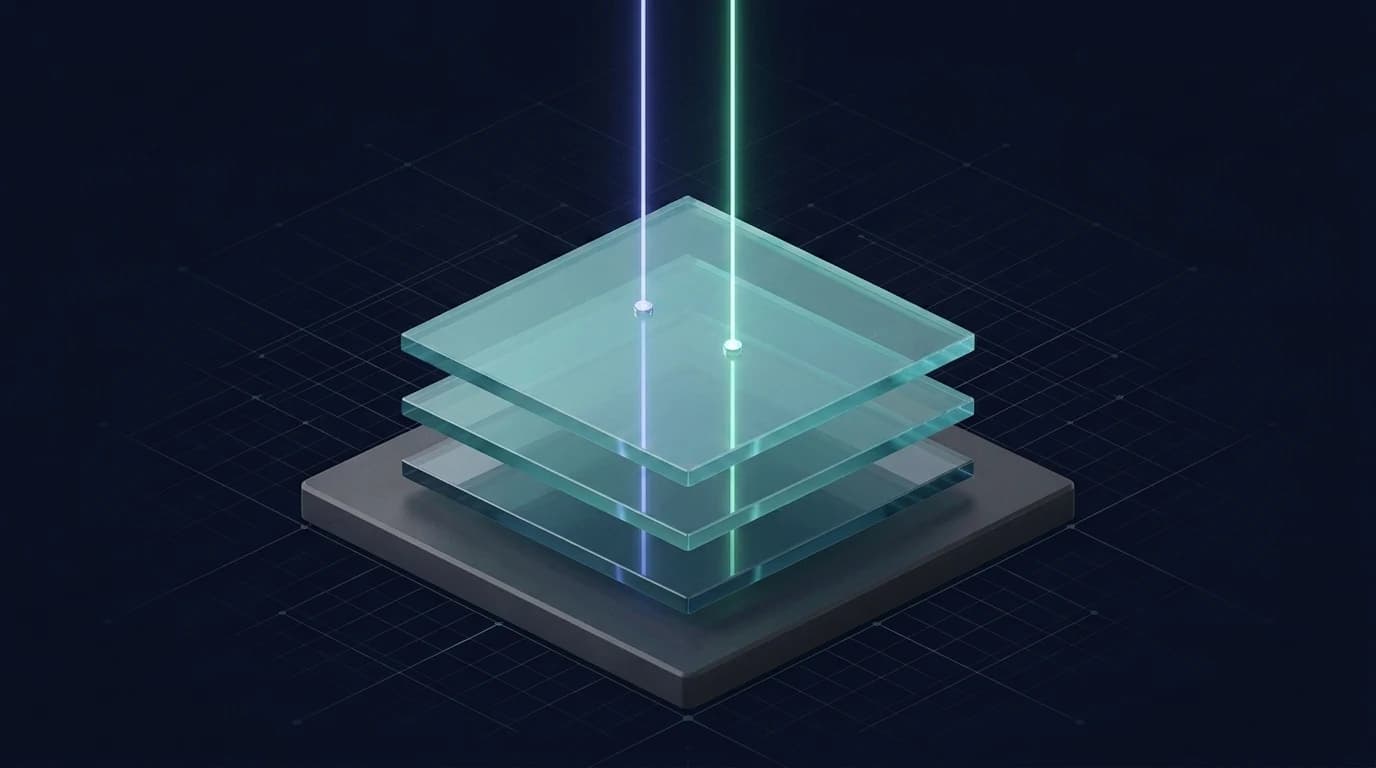
2 of 5 layers of the platform
3 of 5 layers of the platform
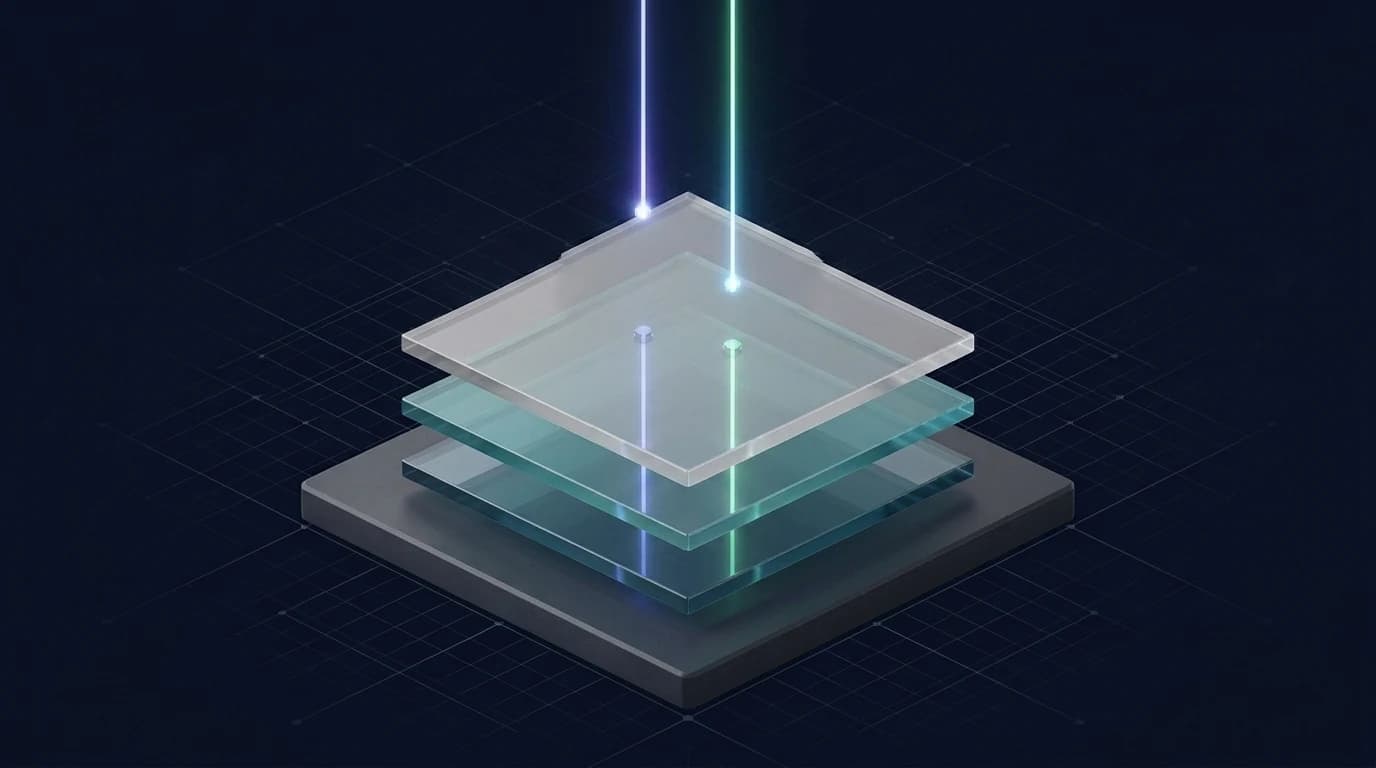
4 of 5 layers of the platform
All five layers of the platform stacked on one foundation
The DocInflow stack
  1. CLM

    The agreement becomes fields you can search and check against.

    Scanned and typed agreements are read into parties, dates, values, terms and clauses. Ask a question in plain English and get the clause back, cited — and contracted rates are compared against what vendors actually invoice.

  2. P2P

    Order, goods receipt and invoice, matched line by line.

    The tolerance is yours to set per field, so a rounding difference is not a pricing dispute. Receipts accumulate against one order across as many deliveries as it takes, and approval runs as a configurable multi-step chain by value band.

  3. O2C

    Four records of one sale, checked against each other.

    The customer order, the proof of delivery, their goods receipt and your sales invoice are reconciled into one outcome. Credit limits and credit holds are enforced when an invoice is approved, with override reserved for senior roles.

  4. EXIM

    The letter of credit examined before you present it.

    It is checked against the draft credit and against the proforma invoice or contract behind it, two documents or three at a time. Over two hundred configurable checks span nineteen document types and twenty-three pairings between them.

  5. R2R

    Statements computed from the postings themselves.

    Trial balance, profit and loss and balance sheet are derived live from the ledger, with debits equal to credits enforced before anything posts. GSTR-1, GSTR-3B and HSN summaries carry invoice-level detail and the consumer split.

All five layers of the platform stacked on one foundation

All five read the same documents, run the same approval model, and write to a history that is appended rather than overwritten — naming who created, approved, edited or voided each record, with the values before and after.

Integrations

Connects with everything.

Documents flow in from wherever they live — and the booked numbers flow out to wherever your team works.

Gmail
Google Drive
Outlook
AWS S3
SAP
Oracle
Slack
Zapier
Before you ask

Security and data handling

Your bank moves the money

The platform prepares and records a payment. The instruction that moves the funds is issued in your bank, which stays the record of the movement.

History is appended, not overwritten

Records carry who created, approved, edited or voided them, with the values before and after. An edit adds a row rather than replacing one.

Overrides belong to a role

Credit limits and credit holds are enforced when a sales invoice is approved, and the override is reserved for senior roles rather than available to anyone.

No certification to point at

We hold no third-party security certification today. If your procurement process requires one, we will not clear it.

Run it on your own documents.

A pilot runs on your paperwork, not a sample file. Send a real set — a purchase order with its invoice, or a letter of credit with its proforma invoice — and we will run the checks on it.